Designed and built a modular brand-page system for Rite Aid that transformed custom page builds into a scalable framework across desktop and mobile. Using four reusable content modules, I created repeatable templates that could flex to different brand needs and be packaged into tiered offerings from Basic to Premium. The result was a more efficient, consistent, and commercially scalable model that later extended into custom retailer solutions globally
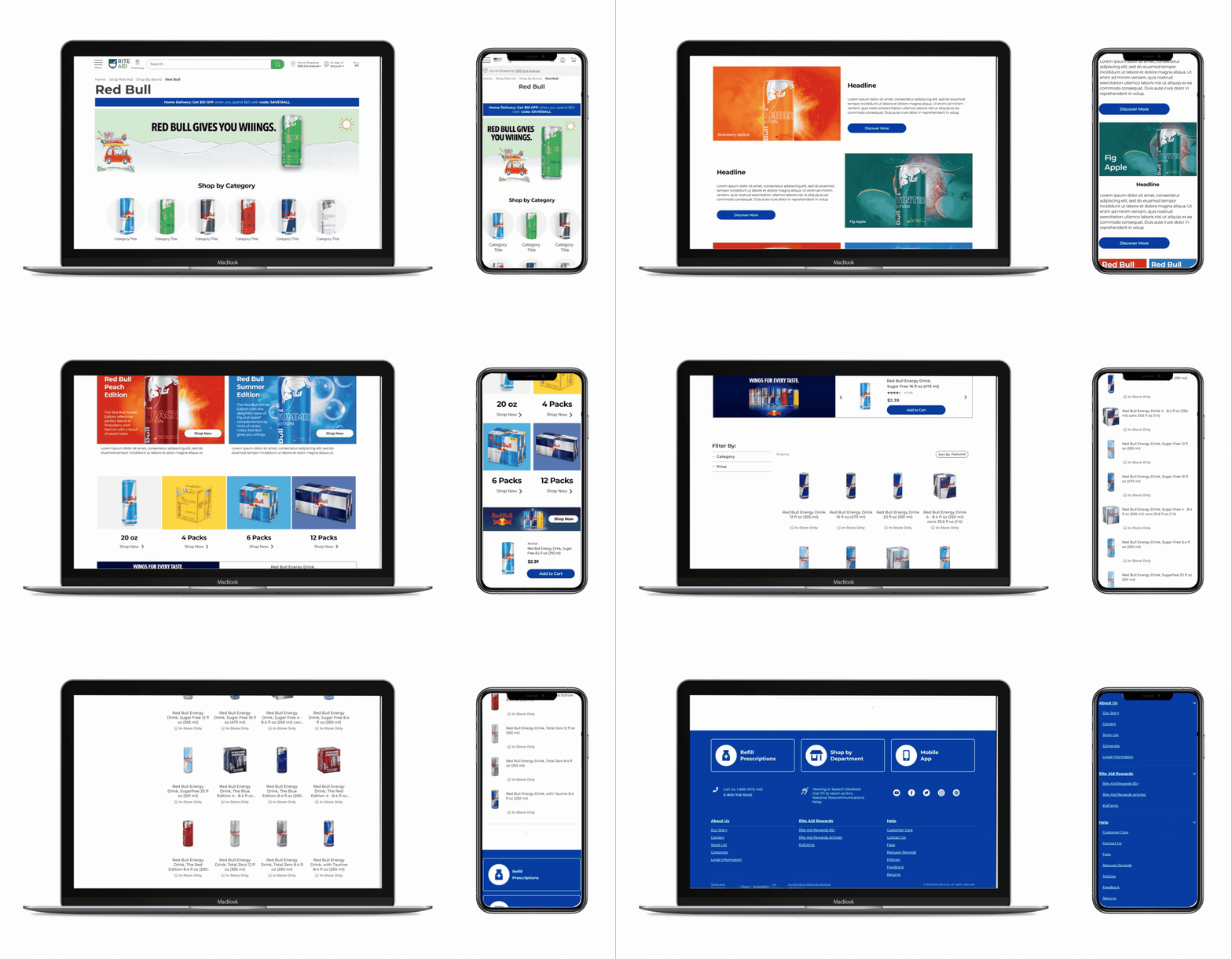
⚪️ Reusable Modular System
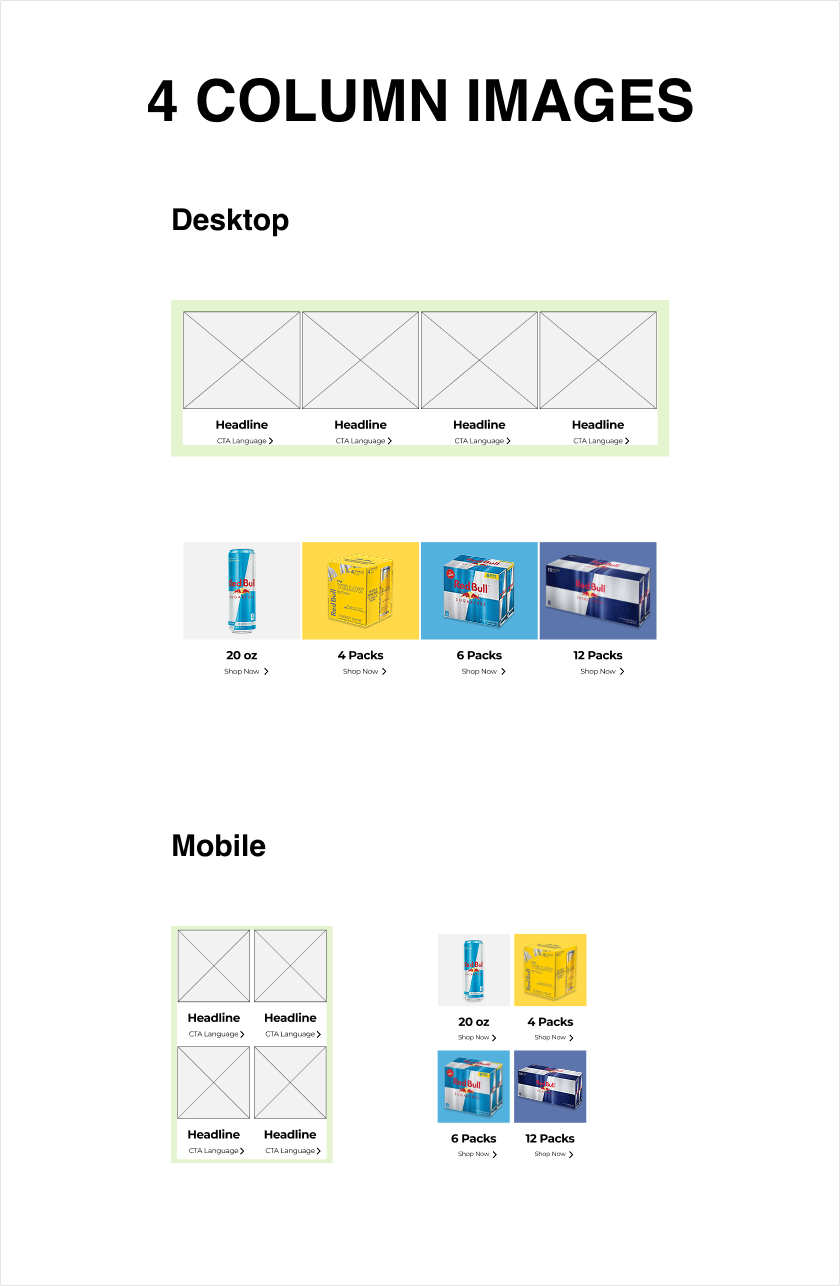
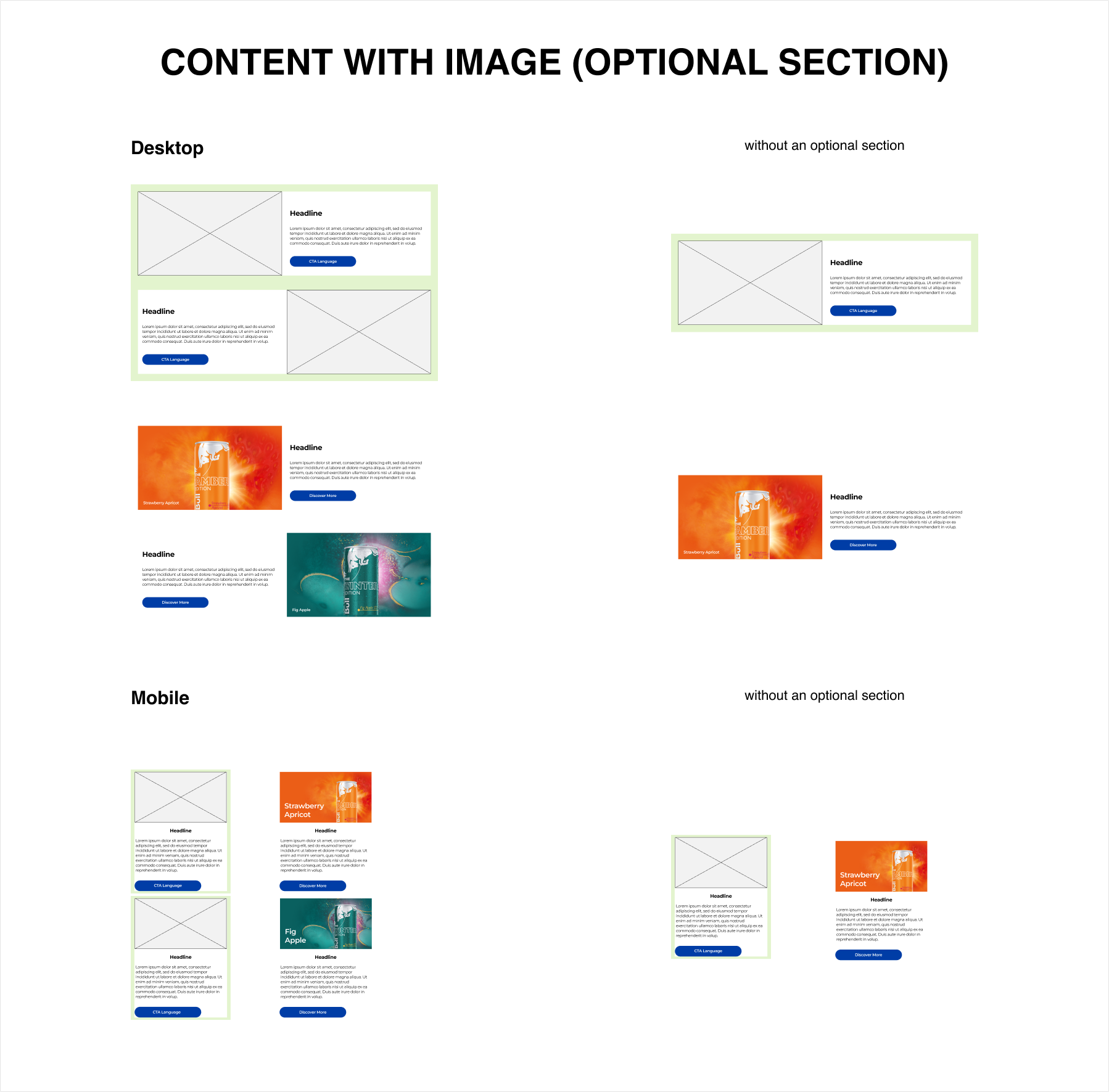
⚪️ Four Core Modules for Flexible Brand Pages
⚪️ Building the Page System Through Reusable Formats
Role: Product Designer, Criteo
Team: Retail Media Creative Solutions
Timeline: 2 months
Scope: 0→1 modular framework design, responsive page templates, reusable content systems, tiered packaging strategy, and scalable multi-retailer adaptation
Team: Retail Media Creative Solutions
Timeline: 2 months
Scope: 0→1 modular framework design, responsive page templates, reusable content systems, tiered packaging strategy, and scalable multi-retailer adaptation
Outcome: Turned custom Rite Aid brand pages into a modular, scalable system that enabled flexible page assembly across desktop and mobile while supporting clearer commercial packaging and reuse across retailers.
Goals
☑ Create flexible brand pages that could adapt to different campaign needs
☑ Maintain consistency across desktop and mobile
☑ Reduce one-off production effort
☑ Make the offering easier for commercial teams to package and sell
☑ Build a system that could scale beyond a single retailer
☑ Maintain consistency across desktop and mobile
☑ Reduce one-off production effort
☑ Make the offering easier for commercial teams to package and sell
☑ Build a system that could scale beyond a single retailer
Constraints
☑ Needed enough modularity for different brand stories
☑ Needed consistency in layout and quality
☑ Had to work responsively across devices
☑ Had to support different tiers of complexity and value
☑ Needed to be understandable internally for sales, production, and implementation teams
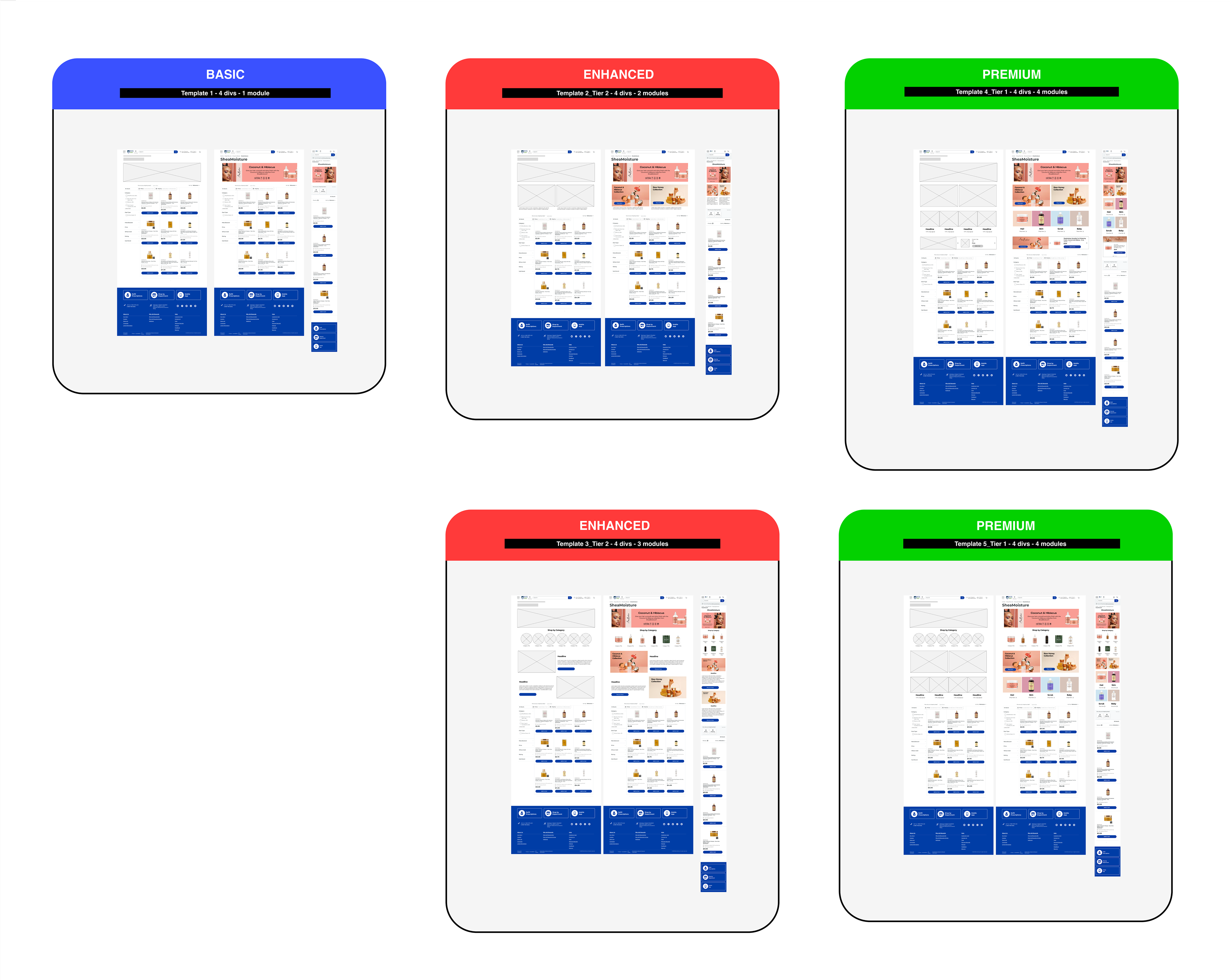
Four Core Modular Formats
By organizing the experience into reusable modules, I helped create a framework that could be translated into tiered offerings. This gave commercial teams a clearer way to position and sell different levels of brand-page experiences, from simpler packages to more premium executions.
Impact
Why it mattered:
- Brands wanted flexibility
- The business needed consistency and efficiency
- Teams needed a system, not repeated custom design work
Outcome:
- Streamlined production through reusable templates
- Improved consistency across desktop and mobile
- Enabled tiered buyout packaging for commercial teams
- Reduced reliance on one-off custom page builds
- Scaled into custom solutions for additional retailers globally
- Improved consistency across desktop and mobile
- Enabled tiered buyout packaging for commercial teams
- Reduced reliance on one-off custom page builds
- Scaled into custom solutions for additional retailers globally
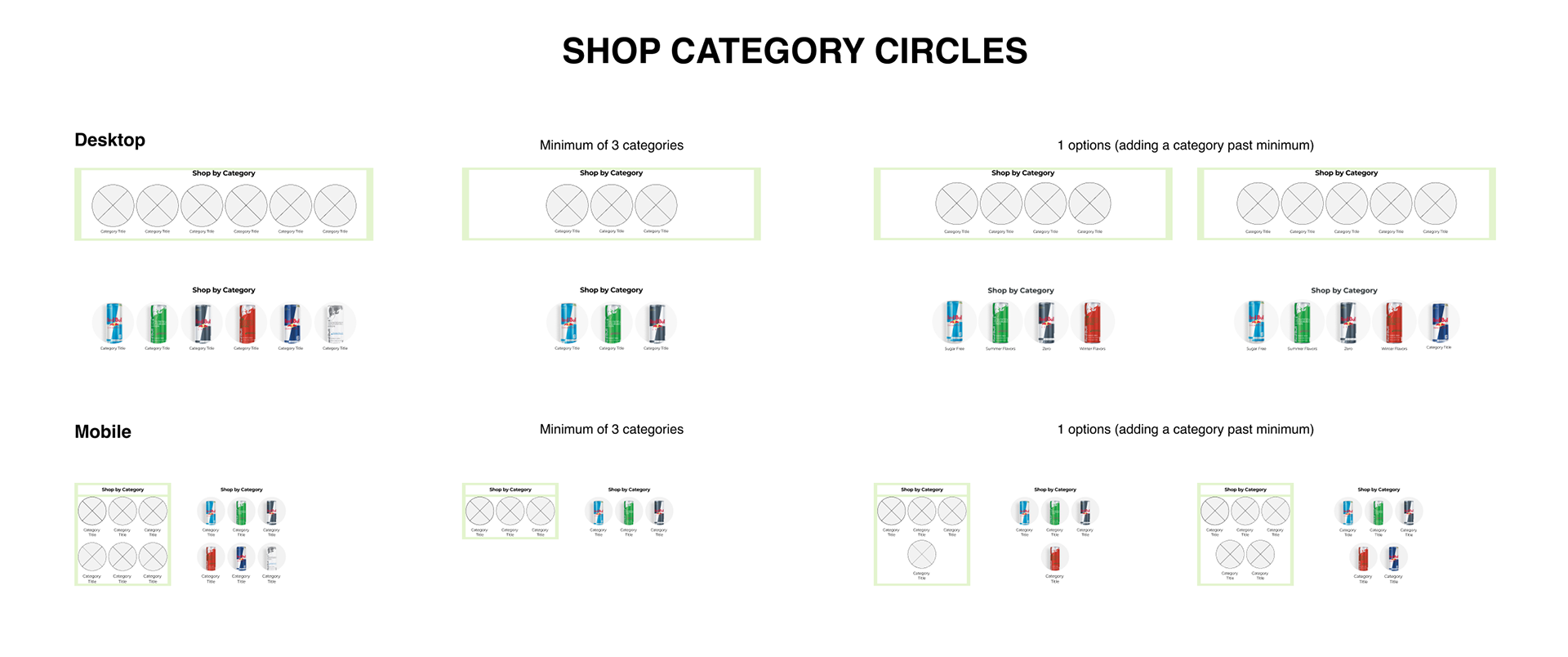
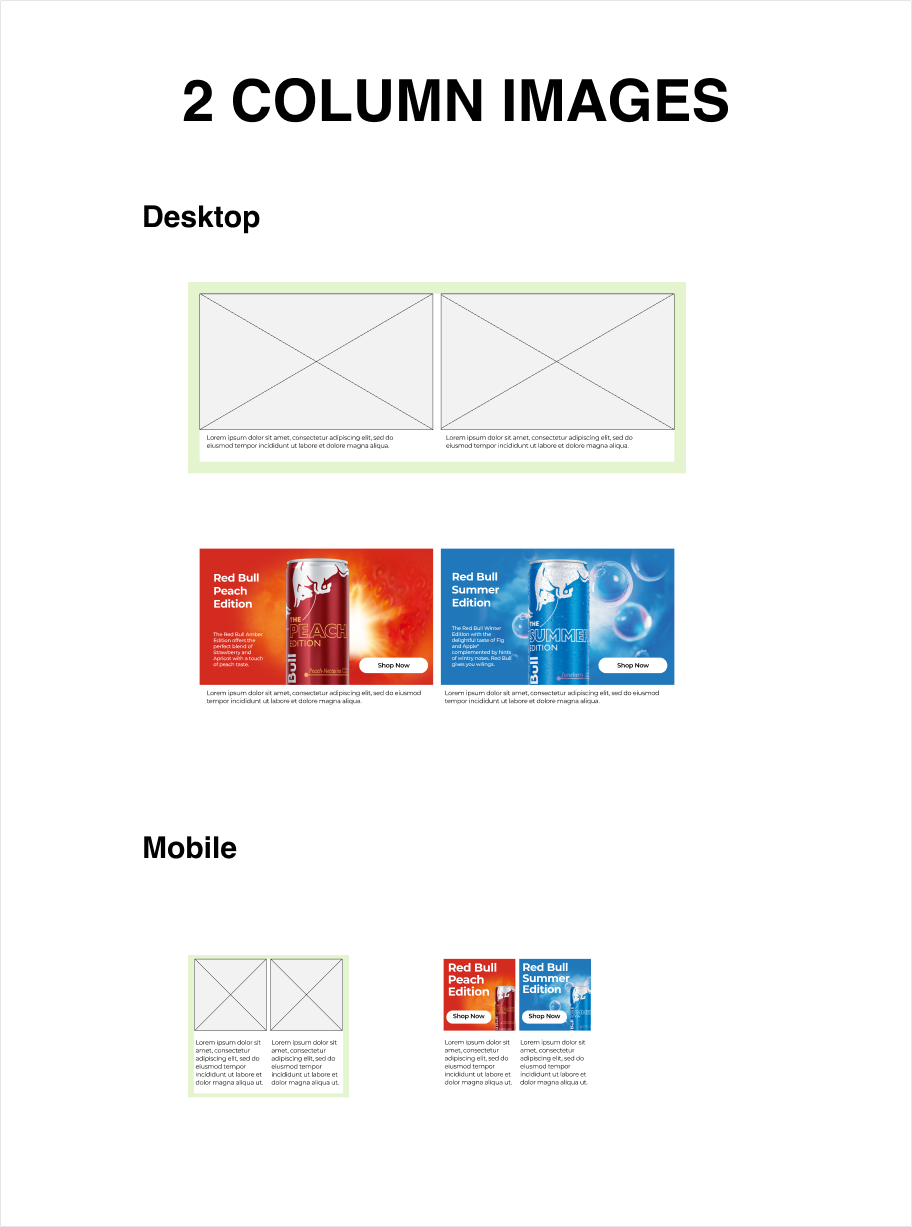
From Custom Pages to a Scalable Brand Page Framework
This project allowed me to move beyond designing individual pages and instead create a scalable system that balanced flexibility, consistency, and commercial value. By turning custom brand-page executions into a modular framework, I helped establish a repeatable model that streamlined production for teams, improved the quality of the end experience, and made differentiated offerings easier to package and sell. What began as a retailer-specific solution for Rite Aid ultimately became a reusable approach that could scale across other retailers globally.